

Skip to content
Who We Serve

Billing and AR for home health agencies

Home health agencies face complex documentation, authorizations, and payer rules. NextRCM provides billing, coding, and AR support that fits home health workflows, so claims stay clean and cash flow stays steady.
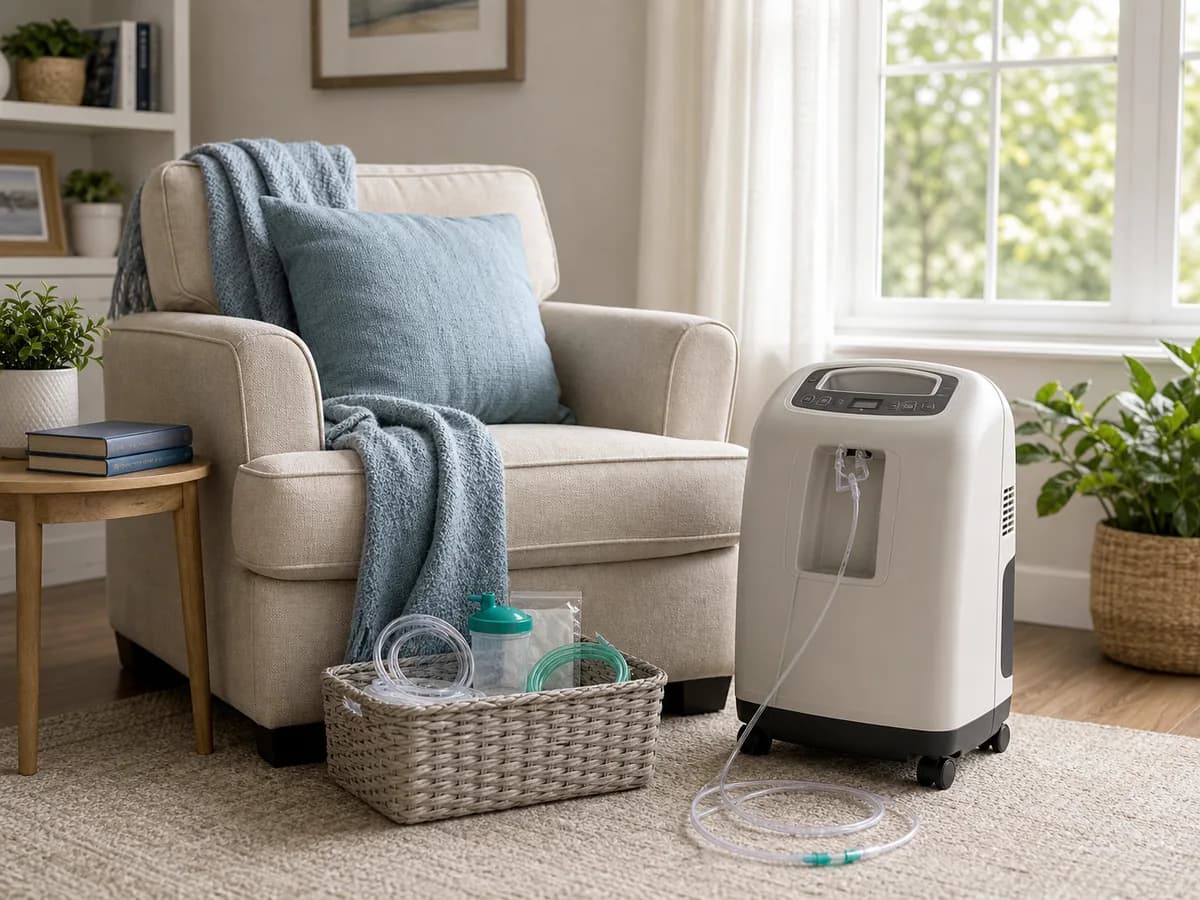
Home oxygen concentrator and medical supplies arranged beside an armchair in a bright home

The challenges you face

  • Authorization and eligibility gaps that delay payment
  • Documentation requirements that strain clinical staff
  • Aging AR with limited time to follow up

What you get with NextRCM

  • Cleaner claims with eligibility and authorization checked up front
  • Systematic AR follow-up that recovers aging dollars
  • Lower administrative overhead for your clinical team
What we handle

Everything we take off your plate

The day-to-day revenue cycle work we run for you, end to end, inside the systems you already use.

Intake & eligibility verification
Authorization management
OASIS review for billing readiness
PDGM coding & HIPPS assignment
Notice of Admission (NOA) filing
30-day period & final claims
LUPA threshold tracking
Medicare Advantage & managed-care billing
Claim scrubbing & submission
Denial management & appeals
Payment posting by episode
AR follow-up & aging recovery
Key insights

Industry insights worth knowing

What we see move the numbers in your revenue cycle, in plain terms.

OASIS accuracy drives every dollar

The OASIS assessment sets the case-mix and payment group under PDGM, so when a clinician or coder misses a comorbidity or functional detail the agency is leaving earned revenue behind before the first visit is ever billed.

Face-to-face gaps sink clean claims

Many home health denials trace back not to the care delivered but to a missing or non-compliant face-to-face encounter or physician certification, which means the revenue is lost in the documentation handoff rather than at the bedside.

Timely NOA filing protects the episode

The Notice of Admission replaced the old RAP and must be filed within the required window after the start of care, and every day it is late reduces payment for the period of care, so disciplined intake timing protects revenue as much as clinical quality does.

FAQ

Questions from organizations like yours

Yes. We support the documentation, authorization, and payer-specific requirements home health agencies face, and we work inside the systems your team already uses.

We verify eligibility and secure required authorizations up front, before claims go out, which is where home health payment most often slips. Catching it early keeps claims clean and cash flow steady.

We bill under the Patient-Driven Groupings Model, where each 60-day certification period splits into two 30-day payment periods, each with its own claim and HIPPS code driven by OASIS data, admission source, and timing. We track period boundaries, clinical grouping, comorbidity adjustment, and LUPA thresholds so each claim reflects the correct case mix and nothing slips between periods.

Yes. We submit the one-time Notice of Admission and watch the five-day timely-filing window closely, since a late NOA reduces the 30-day period payment for each day it is late. We track admission dates against submission so the NOA is in before the deadline and your episode payment is protected.

We start with a short discovery call to map your payers, software, and current workflows, then set up access, sign a BAA, and document a handoff of open episodes and aging AR. Most agencies move into live billing within a few weeks depending on access turnaround and claim volume, and we keep working your existing backlog while we ramp.

Yes. We work as an extension of your office inside the EHR and clearinghouse you already use, so your clinicians keep documenting where they always have. We adapt to your platform rather than asking you to migrate, and we coordinate with your existing front-office and intake staff.

We sign a Business Associate Agreement before any access and work under role-based, least-privilege access inside your systems rather than exporting data to ours. Our team follows HIPAA safeguards for handling, transmitting, and storing PHI, and access is scoped to the people and tasks your engagement requires.

Yes. Many home health agencies carry a meaningful Medicare Advantage and managed-care mix, where authorizations, visit limits, and plan-specific rules differ sharply from traditional Medicare. We verify benefits, secure required authorizations, and follow each plan's billing rules so claims for both fee-for-service and managed care stay clean.

We do not publish flat rates, because the right scope depends on your episode volume, payer mix, and which services you want us to run. After a short consult we scope the work and share pricing built around your agency, so you are paying for what you actually need rather than a generic package.

You get regular reporting on claims, payments, denials, and AR aging, along with home health specifics like NOA timeliness and LUPA episodes, so you always know where revenue stands. We also flag recurring issues we see, such as documentation gaps or authorization delays, so you can fix root causes upstream rather than just chasing individual claims.

Ready to support your revenue cycle?

Get a consultation and we'll tailor a plan to your organization.